
TMJ Treatment in Tirana, Albania
Relief from jaw pain, clicking, headaches, and bite problems caused by temporomandibular joint disorder. Accurate diagnosis, personalised treatment, lasting results — at significantly lower cost than Western Europe.
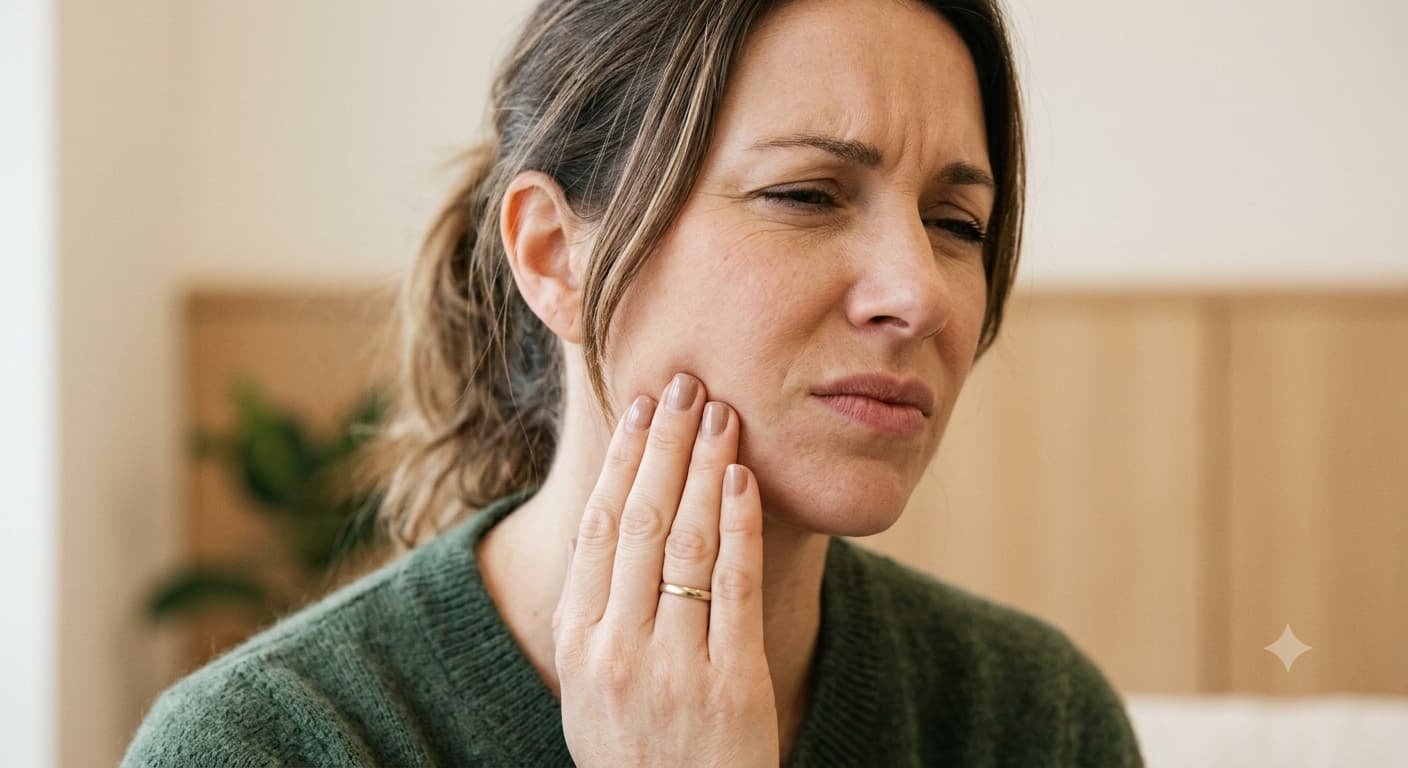
Signs you may have TMJ disorder
TMJ disorder (TMD) is one of the most commonly misdiagnosed and undertreated conditions in dentistry. Many patients spend years managing symptoms they don't realise are coming from their jaw joint. Do any of these apply to you?
Jaw Pain or Tenderness
Pain in or around the jaw joint — in front of the ear — that may worsen when chewing, yawning, or opening wide. Can be sharp, aching, or a dull background discomfort.
Clicking, Popping, or Grinding
Audible or palpable sounds in the jaw joint when opening, closing, or chewing — caused by disc displacement or joint surface irregularity.
Difficulty Opening or Closing
Limited mouth opening, jaw locking open or closed, or a sensation that the jaw is "stuck" or catching during movement.
Headaches & Earache
Recurring headaches — particularly temple headaches — and pain or fullness in the ear that has no identifiable ENT cause. Often misattributed to migraine or ear infection.
Neck & Shoulder Pain
Muscle tension in the neck, upper back, and shoulders that originates from the chronic jaw muscle overactivity associated with TMD and bruxism.
Worn, Chipped, or Sensitive Teeth
Teeth that have been ground down, chipped, or have developed widespread sensitivity — signs of bruxism, which is closely linked to TMJ disorder in many patients.
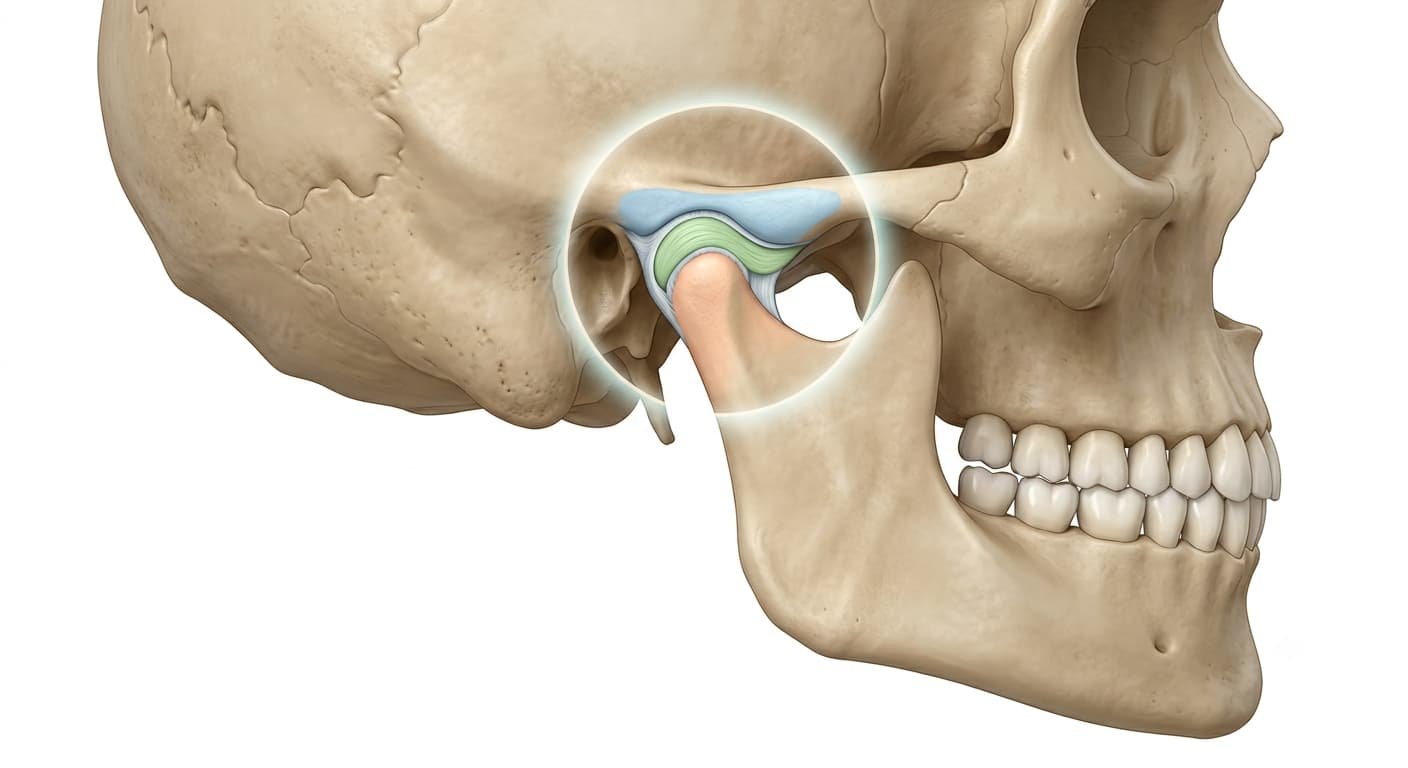
What is TMJ disorder?
The temporomandibular joint (TMJ) is the hinge-and-glide joint connecting the lower jaw (mandible) to the skull — one on each side, just in front of the ear. It is one of the most complex joints in the body, allowing opening, closing, and lateral movements simultaneously. TMJ disorder — or temporomandibular disorder (TMD) — refers to a group of conditions causing pain or dysfunction in this joint and the surrounding muscles.
TMD is more common than most people realise — affecting an estimated 10 to 15% of adults at some point in their lives. It ranges from mild and self-limiting to chronic and significantly debilitating. The condition is frequently underdiagnosed because its symptoms — headaches, ear pain, neck tension — overlap with many other conditions.
- Affects the jaw joint and surrounding muscles
- Often linked to bruxism (teeth grinding)
- Symptoms extend beyond the jaw — headache, neck, ear
- Frequently misdiagnosed as migraine or ear infection
- Most cases respond well to non-surgical treatment
- Early treatment prevents progressive joint damage
What causes TMJ disorder?
TMD rarely has a single cause — it is almost always multifactorial. Understanding the contributing factors is essential to designing a treatment approach that addresses the root cause rather than just masking symptoms.
Bruxism — Teeth Grinding & Clenching
The most common associated factor. Chronic overloading of the jaw muscles and joint from nocturnal grinding or daytime clenching places cumulative stress on the TMJ structures — causing muscle fatigue, disc displacement, and progressive joint wear over time.
Bite Discrepancies (Malocclusion)
When the teeth do not meet evenly, the jaw muscles compensate with altered posture and unequal loading — placing asymmetric stress on the joint. This can develop gradually after dental restorations, tooth loss, or changes to the bite over time.
Articular Disc Displacement
The fibrocartilage disc that cushions the TMJ can become displaced from its normal position — either with reduction (the clicking sound as it snaps back) or without reduction (causing limited opening and locking). This is the most common internal derangement of the TMJ.
Stress & Muscle Hyperactivity
Psychological stress drives increased muscle activity in the jaw — clenching, bracing, and sustained contraction of the masseter and temporalis muscles. This muscle hyperactivity is both a cause and a perpetuating factor of TMD symptoms.
Trauma
A direct blow to the jaw, whiplash injury, or prolonged mouth opening (such as during dental treatment or intubation) can cause acute TMJ injury — inflammation, disc displacement, or fracture — that becomes chronic if left untreated.
Arthritis & Degenerative Joint Disease
Osteoarthritis can affect the TMJ like any other joint — causing progressive cartilage wear, bony changes, and chronic pain. Less commonly, rheumatoid arthritis and other inflammatory arthropathies can involve the TMJ.
How we treat TMJ disorder
TMD treatment is always staged — beginning with the most conservative, reversible approaches and escalating only if initial treatment does not achieve adequate relief. Most patients achieve significant improvement without surgery.
Occlusal Splint (Night Guard)
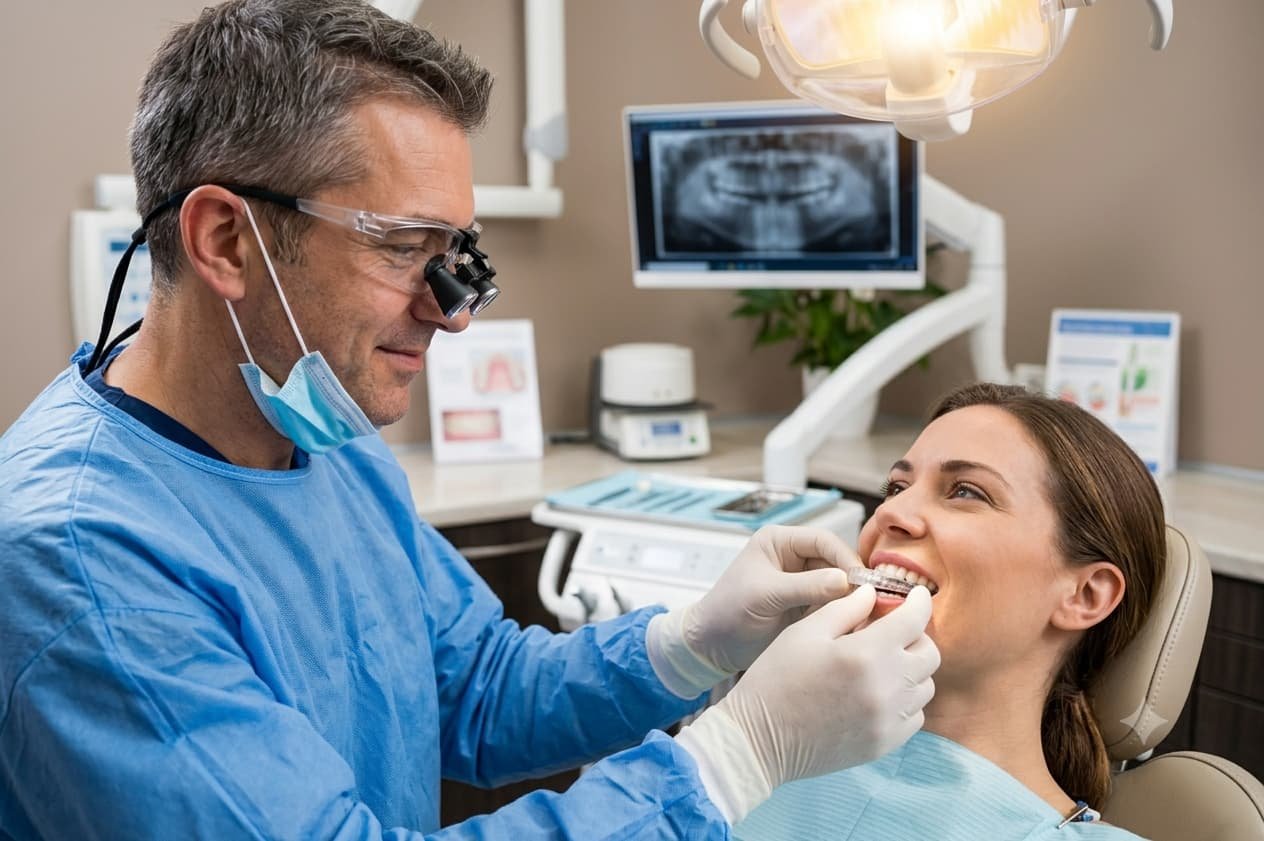
A custom-fitted hard acrylic splint worn over the upper or lower teeth — typically at night — that provides a stable, even biting surface, reduces the forces transmitted to the TMJ, and relieves the overloaded muscles. The most widely evidenced conservative treatment for bruxism-related TMD. Custom-fitted splints are significantly more effective than generic pharmacy solutions.
Botulinum Toxin Injections (Jaw Botox)
Small doses of botulinum toxin injected into the masseter and temporalis muscles reduce the intensity of involuntary contraction — significantly reducing grinding forces, muscle tension, and associated headaches without affecting normal chewing function. Results last 4 to 6 months and can be repeated. Particularly effective for patients with prominent masseters from chronic clenching.
Occlusal Equilibration & Bite Adjustment
Selective reshaping of tooth surfaces to remove premature contacts and achieve an even, balanced bite. When specific teeth are meeting before others and creating unequal joint loading, targeted occlusal adjustment eliminates the trigger. A reversible procedure performed chairside — typically takes one to two short appointments.
Jaw Physiotherapy & Exercise Protocol
A structured programme of jaw mobilisation exercises, posture correction, and muscle stretching prescribed to reduce pain, restore normal movement range, and correct the compensatory muscle patterns that perpetuate TMD. Most effective when combined with splint therapy — addresses the underlying muscle dysfunction that the splint alone does not resolve.
Dental Restoration & Bite Rebuilding
Where tooth loss, worn teeth, or failed restorations have altered the bite and contributed to TMD, restoring the correct vertical dimension and occlusal contacts through crowns, bridges, or implants removes the underlying dental cause of joint overloading.
Arthrocentesis & Surgical Intervention
For persistent cases that have not responded to conservative management, minimally invasive joint lavage (arthrocentesis) can break adhesions and reduce inflammation inside the joint. In rare severe cases, open joint surgery may be required — but this represents fewer than 5% of TMD cases and is always the last resort after all conservative options have been exhausted.
How we assess and treat your TMJ — step by step
Accurate diagnosis before any treatment. We never fit a splint without understanding why the TMD developed — otherwise we treat the symptom and not the cause.
Comprehensive TMJ Assessment
A dedicated TMJ assessment appointment — not a standard check-up. We record a detailed history of your symptoms (onset, location, triggers, aggravating and relieving factors), perform a clinical examination of the joint (palpation, range of motion, joint sounds, bite analysis), and take any imaging needed. The assessment identifies the primary diagnosis — myogenic (muscle), articular (joint), or mixed — and guides the treatment protocol.
CBCT or MRI of the Joint
Standard dental X-rays do not adequately image the TMJ. When disc displacement, bony changes, or degenerative disease is suspected, cone beam CT (CBCT) provides a detailed 3D view of the bony joint structures. MRI (arranged externally if needed) provides the definitive assessment of the articular disc position and condition. Imaging is not required for every patient — only where clinical findings indicate it.
Conservative Treatment Initiation
Treatment begins with the most reversible approach appropriate for the diagnosis. For most patients this means a custom-fitted occlusal splint, combined with a jaw exercise protocol and advice on behaviour modification (avoiding hard foods, reducing caffeine, jaw posture guidance). For patients with significant muscle hyperactivity, botulinum toxin injections may be added at this stage.
Progress Assessment & Treatment Adjustment
A follow-up appointment assesses symptom improvement, splint fit, and any adjustments needed to the treatment plan. If conservative treatment has achieved adequate relief, no further intervention is required beyond ongoing splint wear. If additional treatment is needed — occlusal equilibration, bite rebuilding, or escalation to injections or physiotherapy — this is introduced at this stage.
Maintenance & Bite Stabilisation
Once symptoms are well controlled, the focus shifts to long-term maintenance — addressing any underlying dental factors (worn teeth, missing teeth, bite discrepancies) that would perpetuate TMD if left unresolved. This may involve restorative treatment, orthodontics, or ongoing splint wear — all discussed and planned together with the patient's long-term goals in mind.
TMJ Treatment Cost in Albania
TMD treatment is priced by component — each intervention is quoted and billed separately, so you only pay for what your specific case requires. Below are reference prices for the most common treatments.
| Treatment | Kocaqi — Tirana | Western Europe avg. | Saving |
|---|---|---|---|
| Full TMJ Assessment & Diagnosis | from €60 | €150 – €300 | ~70% |
| Custom Hard Acrylic Occlusal Splint | from €180 | €400 – €800 | ~70% |
| Botulinum Toxin — Jaw Muscles (both sides) | from €220 | €400 – €700 | ~60% |
| Occlusal Equilibration (bite adjustment) | from €80 | €150 – €350 | ~65% |
| Full TMJ Package (assessment + splint + review) | from €280 | €700 – €1,200 | ~70% |
Treatment cost depends on the specific interventions required for your diagnosis. A full written quote is provided after your initial assessment — you will know exactly what each component costs before committing to treatment. Restorative treatment (crowns, implants, orthodontics) if needed to address underlying bite factors is quoted separately.
Why patients choose Kocaqi for TMJ treatment
Diagnosis Before Treatment
We do not fit a splint at the first appointment without understanding the cause. A dedicated TMJ assessment — history, clinical examination, imaging where indicated — ensures the treatment plan addresses the actual diagnosis, not just the presenting symptom.
Conservative First — Always
We follow evidence-based TMD management protocols: conservative and reversible treatments first, escalating only if they fail to achieve adequate relief. The vast majority of TMD cases — over 90% — do not require surgical intervention when properly managed early.
Custom Splints — Not Generic
Every occlusal splint is custom-fabricated from digital impressions of your specific bite — not an adapted generic tray. A precisely fitting splint achieves even bite loading across all teeth; a poorly fitting one can worsen symptoms by creating new occlusal imbalances.
Botulinum Toxin Available
For patients with bruxism-driven TMD and significant muscle hypertrophy, jaw botulinum toxin injections are available in-house — performed by the treating dentist who understands the context of your bite and TMJ diagnosis, not a separate aesthetic provider.
Complete Bite Management Under One Roof
When TMD is driven by underlying dental factors — missing teeth, worn bite, failed restorations — we address both the TMD symptoms and the root cause in the same clinic. Restorative work, orthodontics, and TMD management are planned together, not in isolation.
Remote Follow-Up for International Patients
Initial assessment and splint fitting are completed during your visit. Follow-up review of symptom progress can be managed remotely — via WhatsApp consultation and photographs — allowing adjustment of the treatment plan without requiring an immediate return trip for minor modifications.
TMJ disorder — your questions answered
Can TMJ disorder be cured permanently?
For many patients, yes — particularly those where the TMD is driven by an identifiable and correctable cause such as a specific bite discrepancy, bruxism managed with a splint, or teeth that need restoration. For patients where the contributing factors are ongoing (chronic stress, structural joint degeneration), TMD is managed rather than cured — symptoms are kept under control with periodic treatment and maintenance. The goal in all cases is meaningful symptom reduction and prevention of progressive joint damage.
Is a night guard (occlusal splint) always the first treatment?
For most patients with bruxism-related TMD, yes — a custom hard acrylic occlusal splint is the most evidenced first-line treatment. However, treatment is always determined by diagnosis. Patients with disc displacement without bruxism, or with bite-driven TMD, may require different initial management. This is why assessment before treatment matters — fitting a splint without understanding the cause can mask symptoms without addressing them.
How long does TMJ treatment take?
Initial symptom relief from a splint typically occurs within 2 to 6 weeks of consistent wear. Significant improvement in pain and function is usually evident within 3 months of conservative treatment. Complete resolution — where symptoms are fully controlled and the underlying cause has been addressed — may take 6 to 12 months depending on the complexity of the case. Botulinum toxin injections produce noticeable muscle relaxation within 5 to 10 days.
Does jaw Botox help TMJ disorder?
Yes — for patients where TMD is primarily driven by masseter and temporalis muscle hyperactivity (particularly chronic bruxers and clenchers). Botulinum toxin reduces the force of involuntary muscle contraction, which directly reduces the load transmitted to the joint and relieves associated headaches and jaw pain. Results last 4 to 6 months and the treatment can be repeated. It is most effective when combined with an occlusal splint rather than used as a standalone treatment.
My jaw clicks — do I need treatment?
Not necessarily. Clicking alone — without pain, limited opening, or functional difficulty — often does not require active treatment. Many people have TMJ clicking that remains stable for years. Treatment is indicated when clicking is accompanied by pain, progressive limitation of opening, or worsening frequency. A clinical assessment confirms whether monitoring or intervention is appropriate for your specific situation.
Can TMJ problems cause tooth wear and sensitivity?
Yes — this is one of the most important dental consequences of unmanaged bruxism-related TMD. Chronic grinding and clenching progressively wears down tooth enamel — causing sensitivity, chipping, and changes to the vertical dimension of the bite that in turn worsen the TMD. A custom splint protects the teeth from further wear while the underlying muscle and joint issues are addressed. Severely worn teeth may eventually require restorative rebuilding — see dental crowns.
Stop managing symptoms — treat the cause
If you have been living with jaw pain, clicking, headaches, or teeth grinding, a comprehensive TMJ assessment is the first step. Book a consultation at Kocaqi Dental Clinic — we'll identify the cause and design a treatment plan that gives you lasting relief.
Assessment from €60 · Custom splint from €180 · Botox available · Non-surgical approach · Save up to 70%